
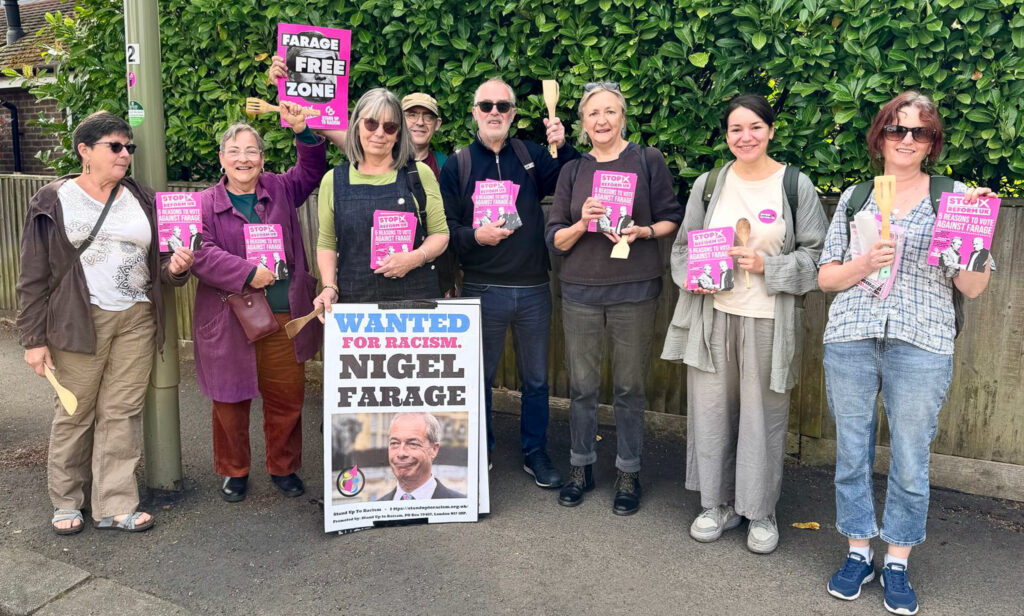
Reform UK’s local election surge has exposed a trail of racism, antisemitism and far-right links
Nigel Farage spent the local elections presenting Reform UK as a polished, patriotic “anti-establishment” force ready for government. But within days of election victories, councillors and candidates linked to racism, antisemitism and far-right politics were already being suspended, expelled or forced out.
The growing scandal reveals something deeper than a few embarrassing social media posts. It shows how Reform UK’s rapid rise has opened the door to figures shaped by Britain’s hard-right political culture—people whose views were incubated in Facebook conspiracy groups, anti-migrant campaigns and, in some cases, organisations linked to fascism.
One of the most explosive cases involved newly elected Essex councillor Stuart Prior. He resigned after reports surfaced alleging racist and extremist social media posts targeting Black and Muslim people. Reform revoked his membership only after the material became public.
Glenn Gibbins was suspended after racist comments about Nigerians resurfaced online. Staffordshire councillor Lynn Dean was also suspended following allegations she shared racist and discriminatory content on social media.
Reform candidate Caspar Thomas was expelled after reports linked him to antisemitic and anti-Muslim posts and campaigning activity alongside the far-right grouping Restore Britain.
Three more candidates—David Prior, George Parnell and John Black—were expelled after allegations emerged of historical links to the fascist British National Party.
Meanwhile other Reform figures have faced allegations involving Holocaust denial, white supremacist rhetoric and extremist online activity.
Nathaniel Menday was accused of using neo-Nazi symbolism online. Derek Bullock was linked to alleged Holocaust denial material. Ben Rowe faced allegations over antisemitic and anti-immigrant posts.
Again and again, controversial material was not uncovered through Reform’s internal vetting. Instead it was anti-racist researchers, activists and journalists who exposed archived Facebook posts, reposted memes and extremist online networks after candidates had already been selected—or even elected.
Farage boasted that the party used AI-assisted vetting systems to screen candidates. Yet within weeks, local representatives were being suspended over material openly available online.
Reform UK feeds politically on anti-migrant scapegoating, culture war hysteria and nationalist resentment. The party constantly targets refugees, Muslims, climate activists and “woke elites” in language designed to inflame anger and division, that rhetoric creates political space for harder-right ideas to flourish.
The boundary between “respectable” right-wing populism and the far right is not fixed.
People drawn into politics through anti-refugee Facebook groups, conspiracy channels or anti-Muslim campaigns can easily move towards organisations and networks further right still. Reform may try to distance itself from explicit fascism, but its politics creates fertile ground for racism and reaction.
Farage’s strategy relies on presenting Reform as the authentic voice of “ordinary people” betrayed by Westminster. But behind the carefully staged image lies a party repeatedly forced to suspend candidates over racism, extremism and far-right associations.
The answer cannot come from the political establishment that helped create the conditions Reform exploits. Labour’s attacks on migrants and its obsession with border controls only strengthen the right’s arguments.
The only effective response is mass anti-racist resistance rooted in workplaces, communities and the streets—uniting people against austerity, racism and the system that breeds them both.