Reform UK will meet in Birmingham this weekend with the French far-right leader Jordan Bardella to give a speech.
Whatever the recent problems with their financial sleaze crisis they are promoting an ever more racist agenda to win back support at the polls – and to outflank the other far right party at the polls, Restore Britain.
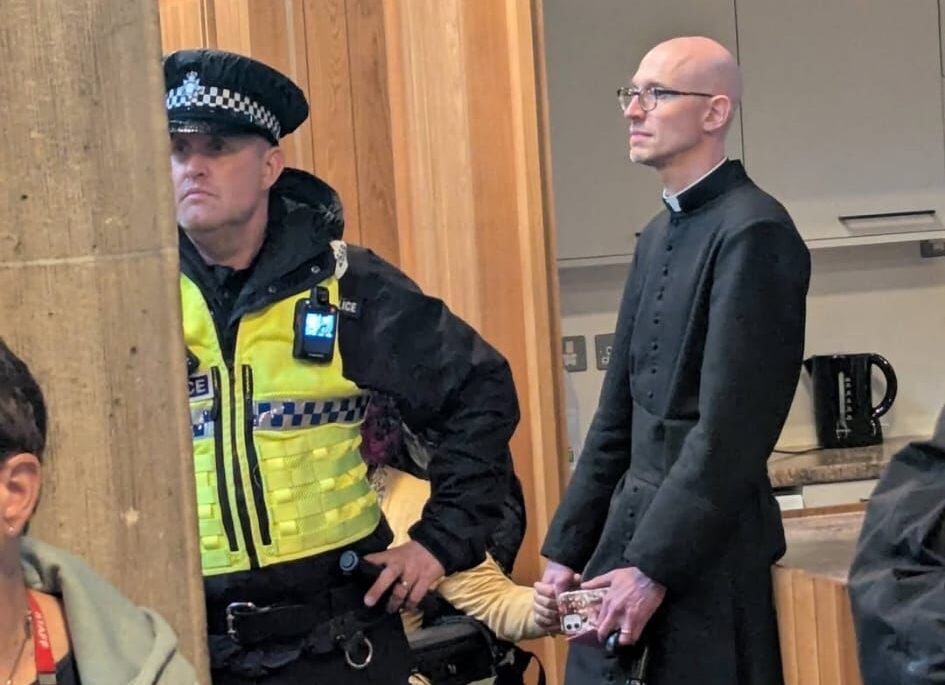
On the streets the far right continue to try to mobilise with disgusting scenes in Doncaster on Saturday where a local women and child were abused by far right demonstrators with shouts of ‘send them back’ and a church was invaded for the crime of its priest having supported the antiracist counter protest.
Fascist Tommy Robinson has also announced plans for another ‘Unite the Kingdoms’ next summer.
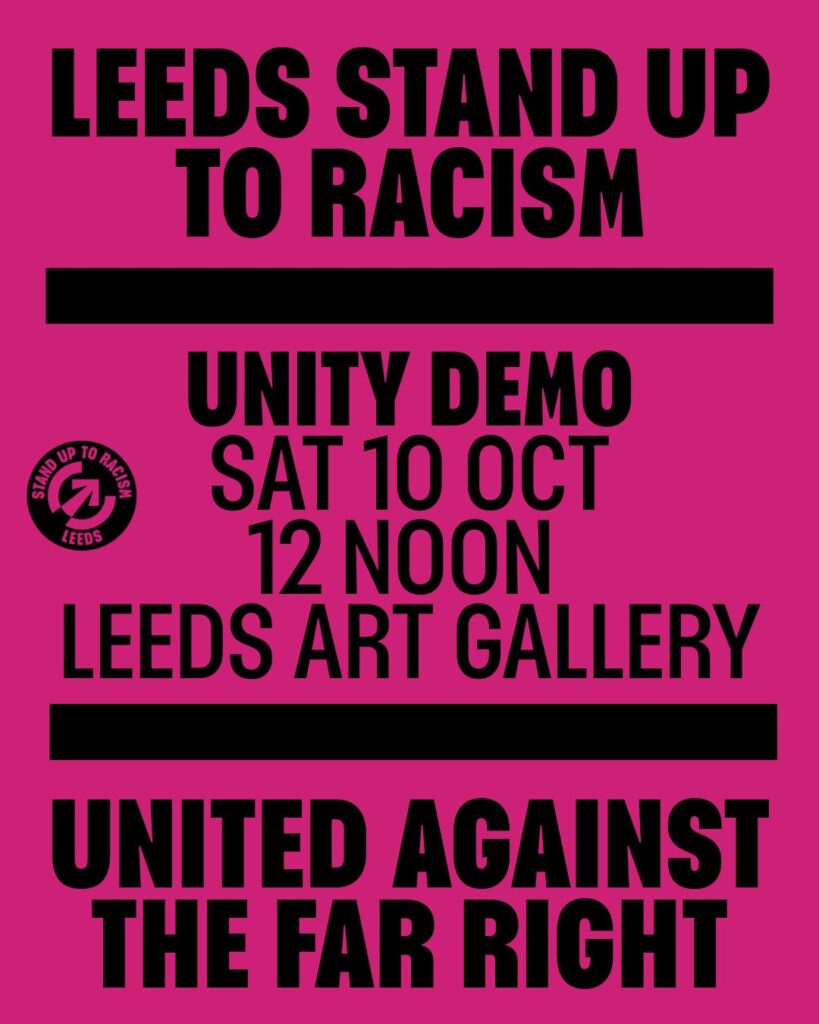
But our side is mobilising too. A wave of unity demos is being organised this autumn around Britain by Stand Up To Racism. The Together Alliance is holding two mass summits (Manchester 17 October, London 24 October) to build opposition to the far right too.
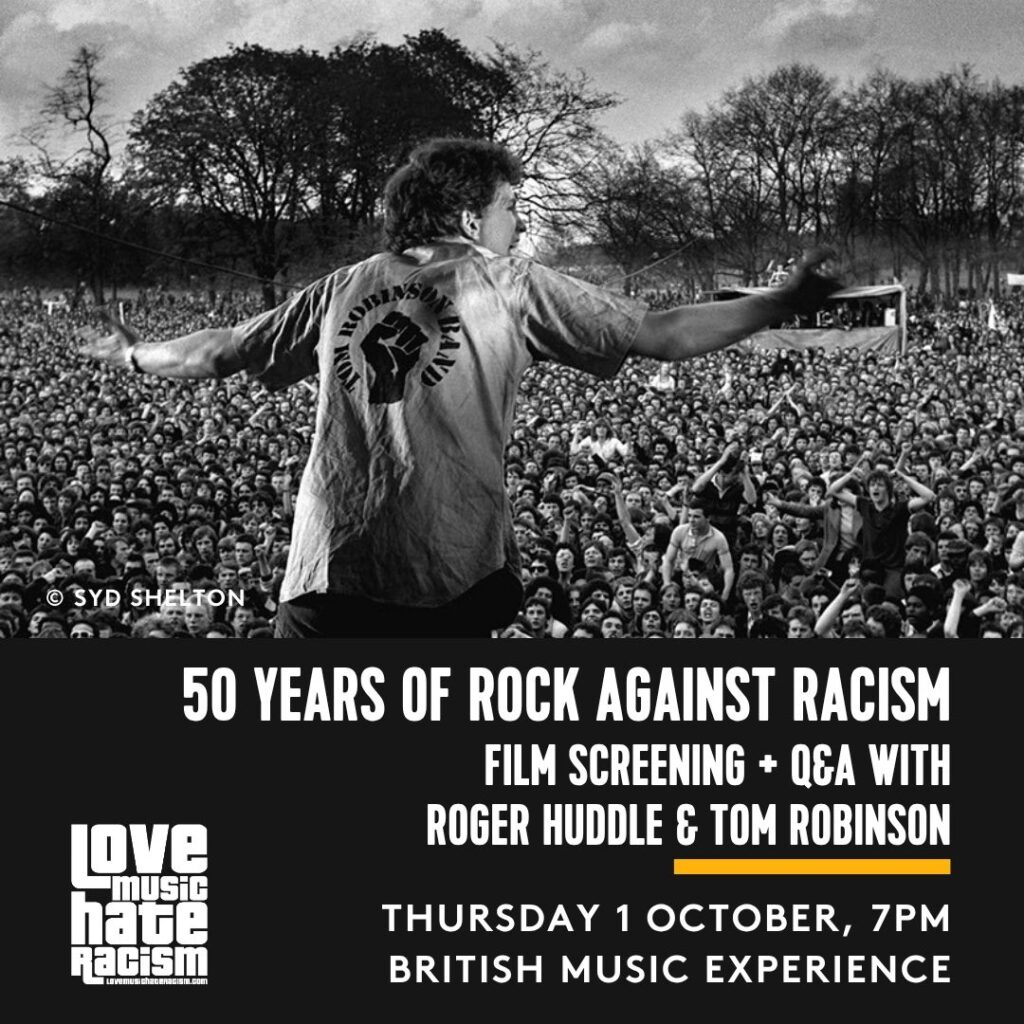
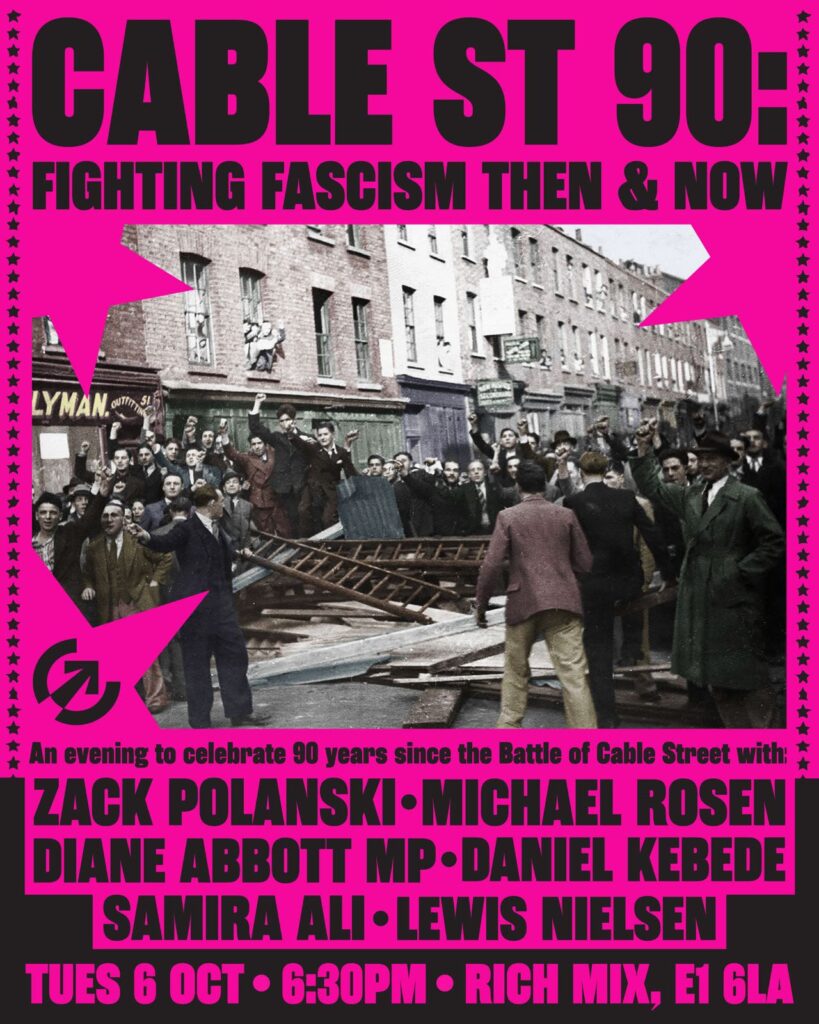
It’s 90 years since the Battle of Cable Street on the 4 October. There’ll be a demo in Tower Hamlets on that day.
We are going to need the kind of unity we saw at Cable Street to stop the far right, both at the ballot box and on the streets.
Local actions

Nick Tenconi’s attempt to bring the far right onto the streets of central London ended in another embarrassing failure last weekend. After considerable online promotion of his “No to Sharia Law” march, just around 20 supporters eventually followed the UKIP leader from Hyde Park towards Whitehall. Around 150 anti-fascists mobilised against them, west London Stand Up To Racism groups, trade unionists, Greens, community independents and a contingent with drums.
Tenconi had originally intended to assemble on Edgware Road, but police restrictions forced him into Hyde Park. He was forced out onto a roundabout by Stand Up To Racism Activists
Even with supporters travelling into London from elsewhere, he could produce only a couple of dozen people. The gap between Tenconi’s online projection of a growing national force and what appeared on the streets could hardly have been clearer.
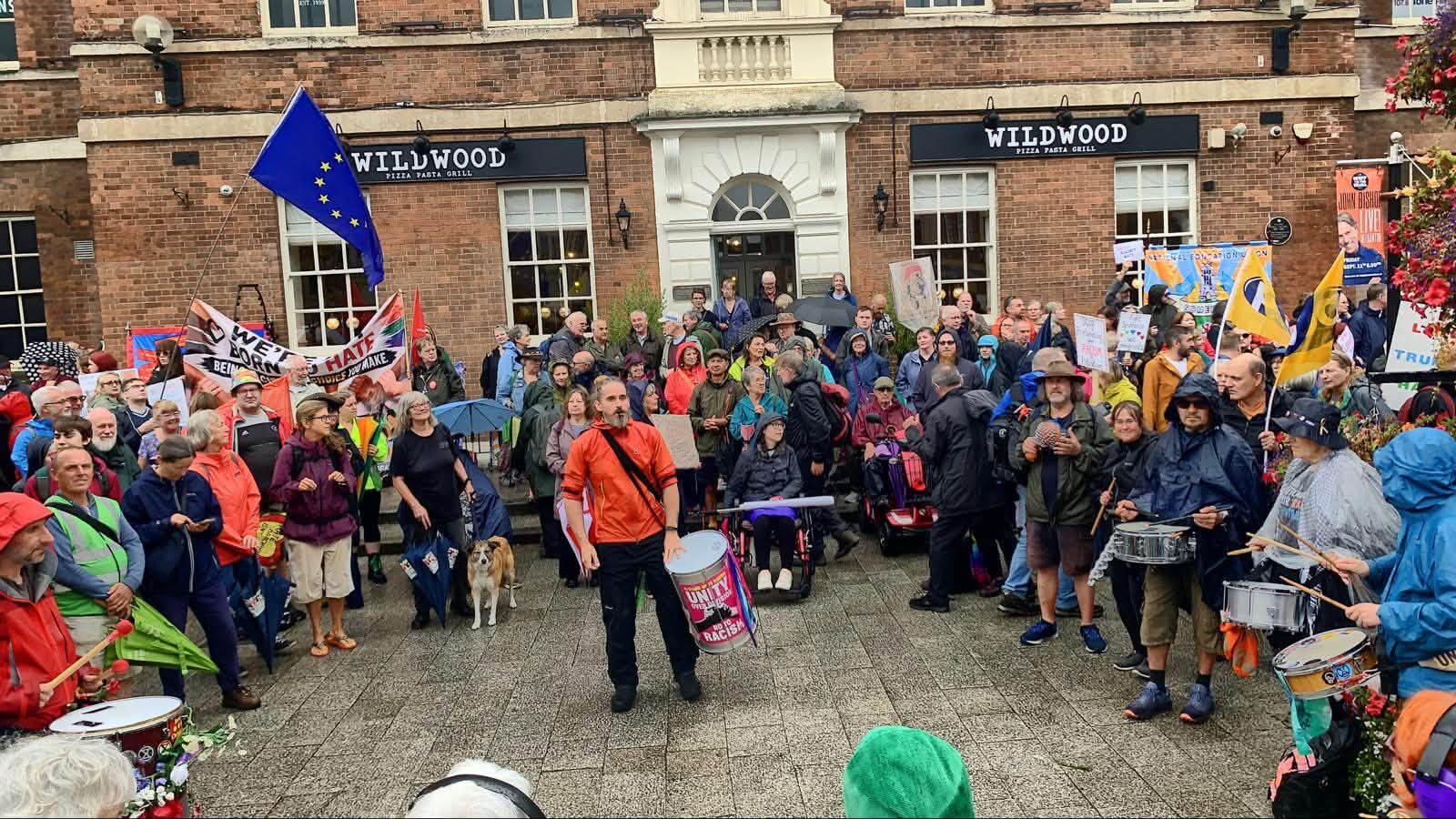
Paul Golding did little better in Taunton. Around 50 on the right, including the Britain First leader, faced somewhere around 200–250 anti-racists. Bringing Golding in did not transform Somerset Patriots into a significant force. Once again, where anti-racists were able to organise seriously, the right was pushed onto the defensive.


In Weymouth, Weymouth Patriots had called a mobilisation but cancelled after Dorset SUTR organised against them. Anti-racists went ahead anyway, turning Bank Holiday Monday into a Unity celebration on the seafront. There was music, speeches and a skateboarding lobster. Rather than allowing the far right to decide when anti-racists appeared in public, campaigners occupied the space themselves and made the argument that Dorset belongs to everyone who lives there.

But Doncaster is a warning against complacency. Anti-racists there estimate that Unite the Right mobilised around 150–170, compared with perhaps 75 anti-racists. The right made some spectacular political mistakes, not least when protesters objected to the bells of Doncaster Minster drowning out their speeches and ended up confronting the church’s vicar and harassing a young woman and child in the street.
Military Sites
There is an important warning around the growing campaigns against asylum accommodation on former military sites. These are developing differently from demonstrations in major cities and town centres. Sites such as Crowborough, Wethersfield near Braintree and RAF Barnham near Thetford are relatively isolated, often poorly served by public transport.
Crowborough is becoming one of the clearest examples. Protests against the asylum accommodation at the former army training camp have become regular, and reports from this weekend describe another sizeable mobilisation. A sustained campaign is being created around the site, and activists associated with it have already begun appearing at mobilisations elsewhere in the South East. A key organiser even appeared with Tenconi in London
Braintree and Wethersfield are another serious concern. Earlier this year around 800–1,000 people marched against the Wethersfield asylum centre, with Tommy Robinson joining the demonstration. That is on a completely different scale from Tenconi’s London outings. The combination of a large accommodation site, sustained local agitation and attempts by national far-right figures to intervene can create a much more durable movement than the succession of small city-centre “patriot” protests.
The same potential exists around Barnham and Thetford, where anti-asylum agitation has already produced substantial protests and periods of serious tension. As the government expands the use of military sites for asylum accommodation, these locations are likely to remain important targets for the right.
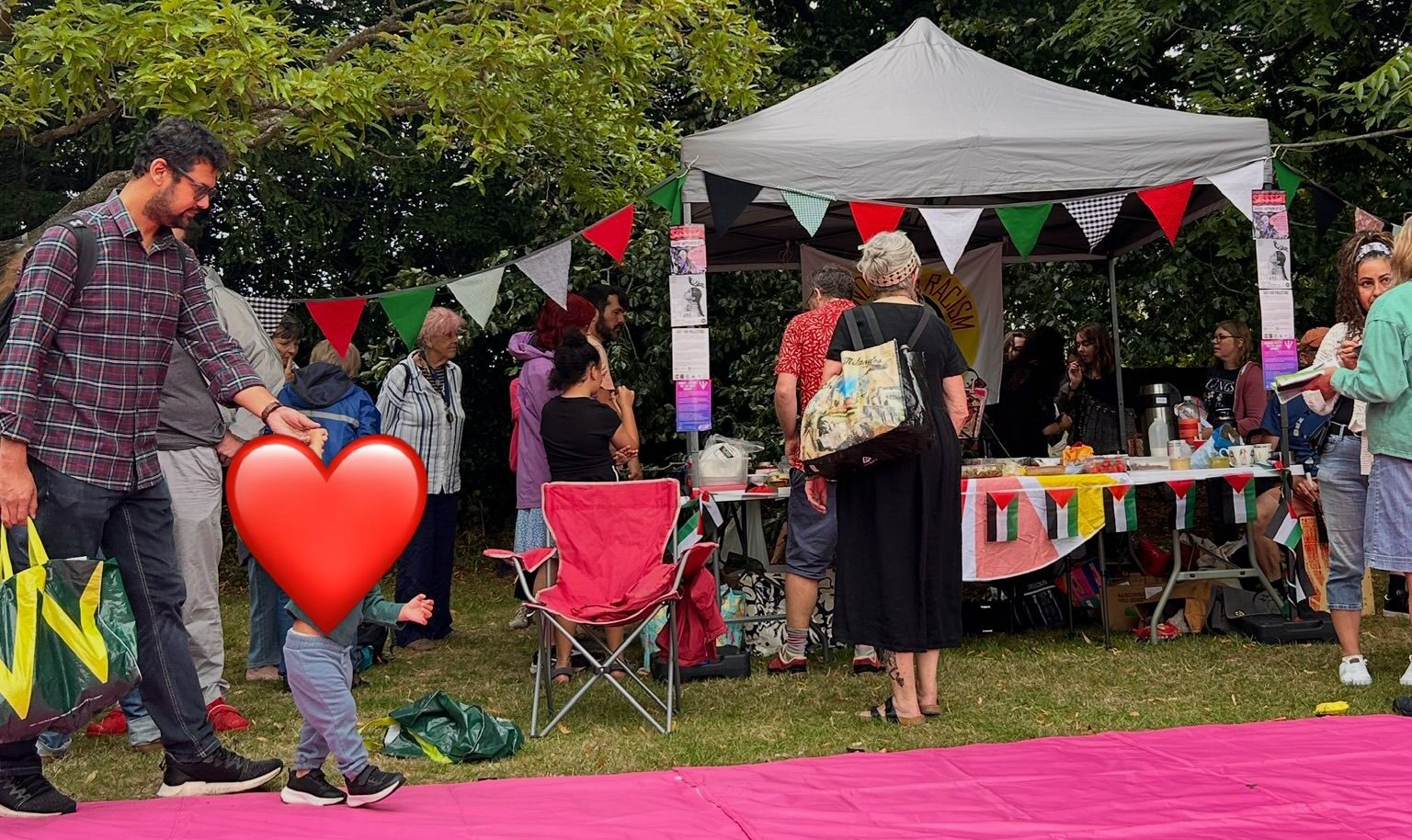
That makes the quieter work of building anti-racist organisation locally particularly important. In Lewes, activists held a Unity Picnic in the Park with Lewes for Palestine, bringing people together around food and music. It was not organised simply as a response to a far-right mobilisation, but as an attempt to create an open anti-racist presence in the community. Music from Pam and des Femmes, Alex and Keith helped turn it into a social event rather than another political meeting.

Forest of Dean SUTR was doing something similar. Activists took their campaign to Pride in Cinderford before organising at the Faddle Fair in Coleford. They had been warned that one local pub might be sympathetic to Reform. Instead, when they arrived, the landlady welcomed them, handed SUTR stickers around the pub and put anti-racist leaflets prominently on the bar. Campaigners spent the afternoon talking to people, listening to music and building relationships.
These initiatives are part of the same political picture as the bigger counter-mobilisations. Anti-racism cannot simply become an emergency response team that appears whenever a “patriot” group announces a protest. Unity events, Pride stalls, community campaigning, music, picnics and street activity help establish networks before confrontations happen and make it harder for the right to present themselves as the only people speaking for a town.
Elsewhere there were smaller far-right actions in Wrexham and Maidstone.
Monitoring Group Report
So the picture from the weekend is contradictory. Tenconi’s attempt to establish himself as a significant street leader continues to flop, while Golding’s appearance in Taunton failed to produce a breakthrough. Weymouth shows that organised opposition can cause the right to abandon a mobilisation altogether.
But Doncaster shows that larger local forces can still emerge, and the campaigns around Crowborough, Wethersfield/Braintree and Barnham may represent a more serious development than the succession of poorly attended national calls. Their relative isolation makes them harder to counter, while repeated protests can turn a local grievance into an organised anti-migrant campaign.
Against that, the work in Weymouth, Lewes, the Forest of Dean, London and Taunton points towards the other side of the equation: building confident local anti-racist networks that do not simply react to the far right but create their own presence in the streets and communities.
Forthcoming Events