
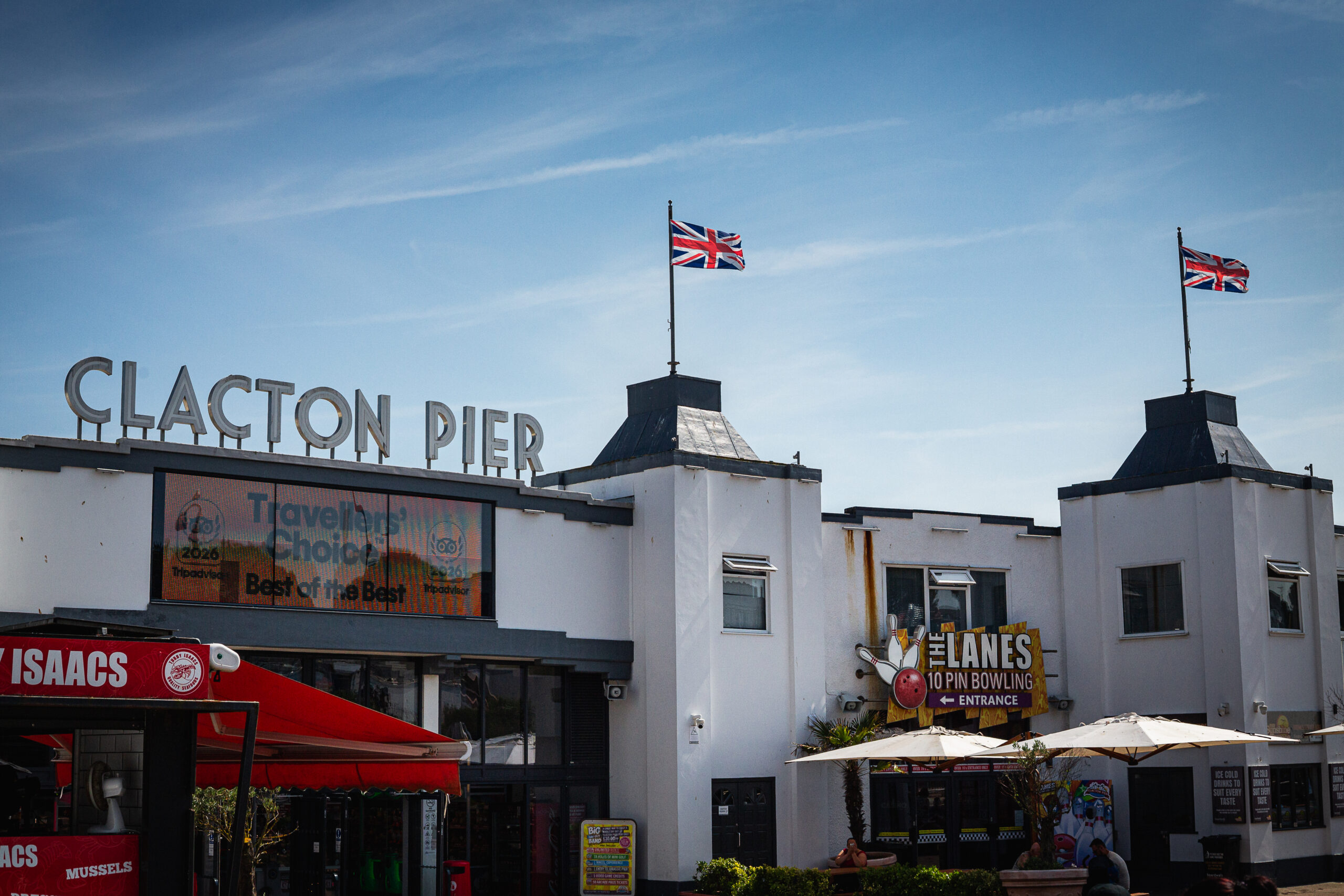
Clacton is not a constituency solely defined by decline, in fact parts of it are pretty well off.
When I went, the seafront was busy, the streets were well kept and, compared with some coastal towns hollowed out by decades of cuts and deindustrialisation, Clacton seemed less run down. Clacton Pier remains a delightful reminder of Britain’s seaside culture and the town’s theatres still hint at their former glory. Yet beneath the surface lies a different reality. Around 27.8 percent of children live in relative low-income households, well above the England average of 21.3 percent.
Clacton had been a Conservative stronghold for decades before Farage captured the seat. Many Reform supporters are former Tory voters rather than people switching directly from Labour. Reform’s support here has been built largely on the collapse of the Conservative vote rather than the growth of a long-standing independent far-right base.
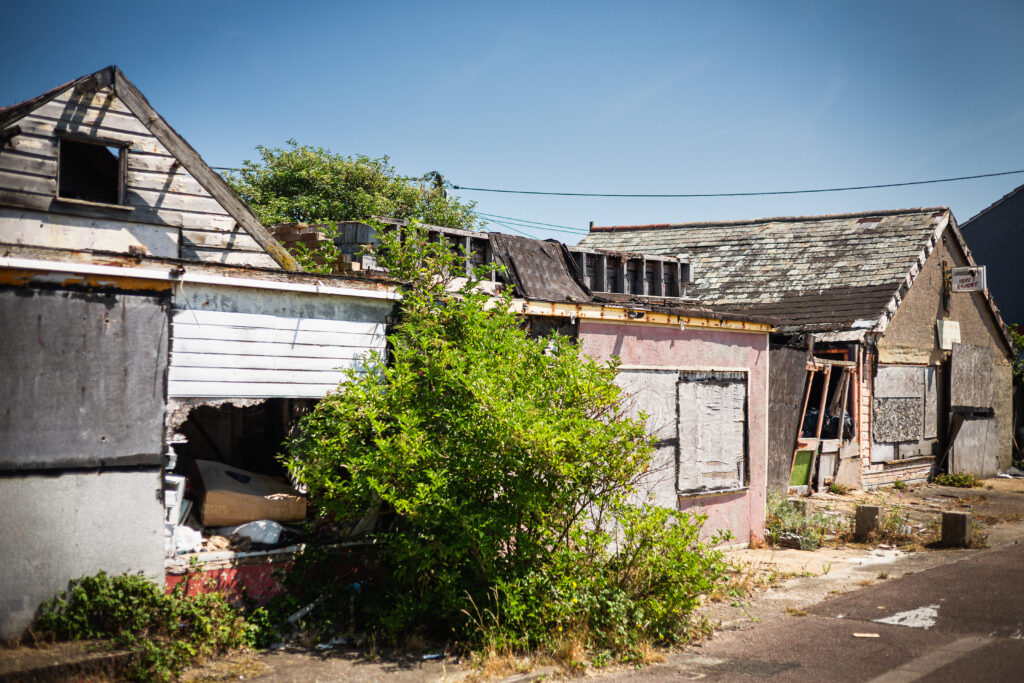
Ten minutes on the bus to the west, Jaywick is the most deprived neighbourhood in England. Income and employment deprivation are among the worst in the country. Long-term illness is widespread, life expectancy is lower, and many people live in former holiday chalets never designed to be permanent homes. Poor housing and the threat of flooding remain everyday realities.
Jaywick became home to many working-class Londoners who left the east end in search of cheaper housing. Many still hold onto an “old East End” identity. I heard resentment about immigration and demographic change mixed together with anger over years of neglect. Reform has been able to weave those feelings together. Racism does not replace economic grievance—for some it has become one of the ways that grievance is understood and expressed.
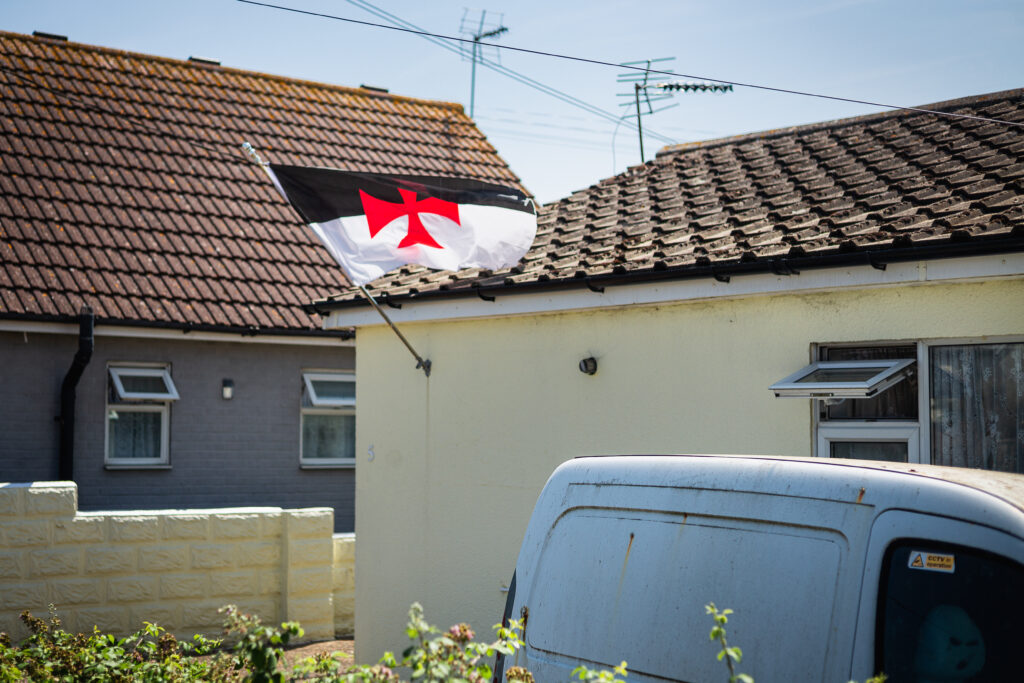
Jaywick is clearly more than the stereotypes attached to it. People spoke about neighbours helping each other and a community that has survived. But I also noticed Cross of Malta crusader flags alongside the St George’s flags. They were a reminder that ideas about identity and exclusion have found fertile ground here.
Along the coast to the east, Frinton-on-Sea , part of the constituency is wealthier, traditionally Conservative and was deliberately built as an exclusive resort. Its founders banned pubs and boarding houses to keep out working-class visitors, and remarkably the town remained without a pub until 2000.
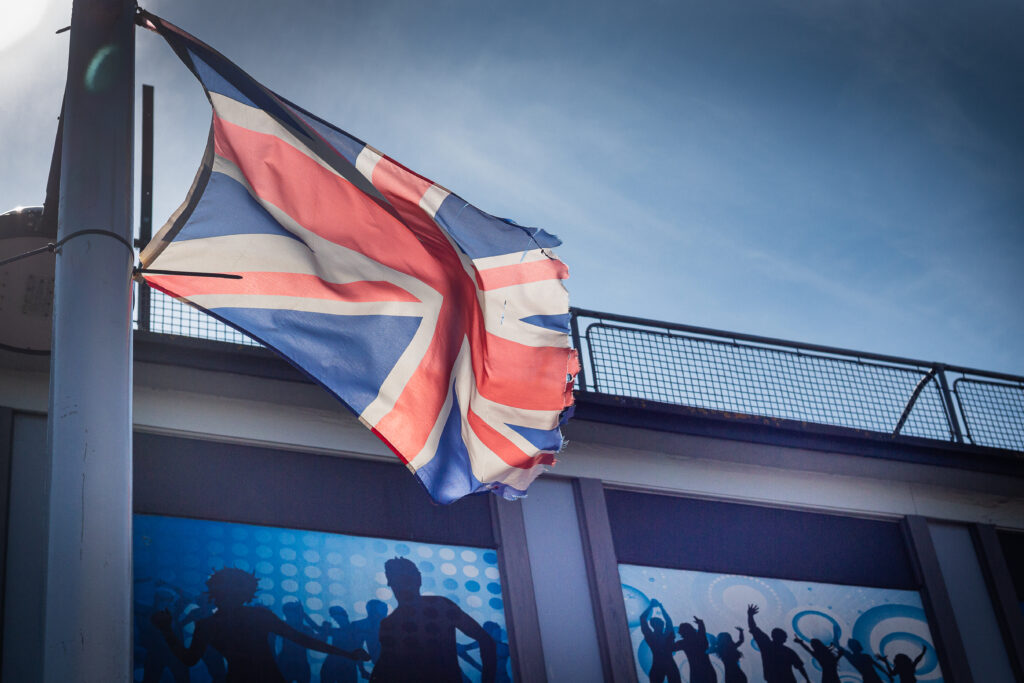
Across the constituency one thing was impossible to miss. St George’s and Union flags were everywhere—on lamp posts, outside houses and in shop windows. They have become part of the right’s political language.
When I spoke to local people, I heard a mixture of anger and anxiety. Some insisted Farage had been the victim of a political “stitch-up”. Others repeated unfounded racist stories about “rapists on the beach”. Yet others were less interested in Westminster than in what was happening to their own communities. They worried about disappearing services, insecure work and places that politicians seemed to remember only at election time.
In Clacton prosperity sits alongside some of the deepest poverty in Britain. Former Tory voters live alongside communities abandoned. Genuine anger exists—but Reform channels it away from those responsible for austerity and towards migrants and multiculturalism, leaving the system that created the crisis untouched.
Anti-racists have to organise patiently, find and give confidence to the anti-racist majority that still exists, and offer an explanation rooted in unity rather than division. Farage has made his gamble. Our job is to make sure he loses it.